
The evolution of mobile technology and connected digital ecosystems
Generative AI transforms landscapes as handheld devices become intelligent hubs for information. From neural processing units to seamless cloud integration, the convergence of hardware and software redefines how professionals interact with data and how individuals communicate globally.



Hardware dynamics in flagship smartphones and pro tablets
Current mobile computing relies on flagship chipsets and adaptive display technologies that blur the functional lines between premium smartphones and traditional laptops.


Adaptive high-refresh rate displays
LTPO OLED panels with 120Hz frequency deliver dynamic motion during scrolling and HDR media playback.


Foldable device architecture
Flexible glass substrates allow screens to bend without breaking, doubling the multitasking workspace while maintaining pocketability for hybrid professionals.


Tablet computing power
Silicon chips in slates now rival desktop performance, handling 8K rendering and machine learning workflows with ease.
Ecosystems of integrated applications and digital services
Software platforms transform raw hardware into versatile tools, leveraging SaaS infrastructure to synchronize work across multiple operating systems instantly, ensuring that enterprise productivity remains uninterrupted regardless of the user’s location.
- Hybrid cloud synchronization
- Cross-platform media streaming
- Encrypted messaging protocols
- Immersive augmented reality tools
01
Productivity suites
Collaborative suites allow teams to edit files simultaneously from anywhere, removing version conflicts via real-time syncing.
02
Streaming platforms
Adaptive bitrate algorithms adjust video quality in real-time, ensuring uninterrupted playback of 4K HDR content.
03
Digital wallets
Tokenized payment systems secure financial data within the secure element, enabling NFC transactions securely.
Modern networks and connectivity standards
Data transmission speed and reliability form the backbone of the mobile experience, with new protocols reducing latency to sub-millisecond levels to support the growing demand for cloud gaming.
5G network infrastructure
Standalone 5G towers transmit data at gigabit speeds, enabling smart city IoT to communicate instantly.
Wi-Fi 6E protocols
Expanded 6GHz spectrum availability allows mesh routers to handle dozens of connected devices without congestion.
Bluetooth low energy
Low-latency codecs transmit lossless audio to peripherals while preserving battery life over extended ranges.
Essentials in accessories and gadgets
Peripheral devices expand the functionality of the primary handset, offering biometric tracking, spatial audio, and power autonomy through specialized engineering that complements the main device.

Active noise cancellation
Microphones inside earbuds detect ambient frequencies and generate computational audio waves for silence.
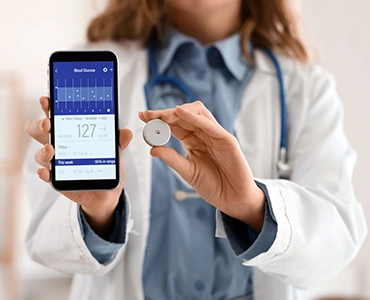
Wearable health trackers
Biometric sensors on the wrist analyze heart rate variability and continuous SpO2 levels.

Fast charging solutions
Gallium nitride adapters deliver high wattage in compact forms to replenish Li-ion batteries rapidly.
Protocols for security and privacy
Protecting user data requires a multi-layered approach involving hardware encryption, biometric authentication, and rigorous software permissions to thwart potential phishing attacks in an increasingly interconnected world.

Biometric authentication systems
3D facial recognition modules project infrared dots to map depth, while ultrasonic fingerprint scanners read ridges through glass, ensuring that only the authorized user can unlock the device or approve sensitive transactions securely.

End-to-end encryption standards
Messaging applications utilize cryptographic keys stored locally on devices, meaning that service providers and hackers see only scrambled code, keeping the content of personal and professional communications completely private and inaccessible.